
Typing sushi delivery near me feels like a shortcut. Hunger is already knocking, patience is low, and the closest option looks like the fastest solution. But “near” and “right” don’t always overlap.
In Miami, where distance, traffic, and timing shape everything, a good delivery order isn’t just about proximity. It’s about reading a few quiet signals before you tap “order.” Thirty seconds of attention can turn a random pick into something that actually lands the way you expect.
Why “Near Me” Doesn’t Always Mean Better
Closeness feels like a guarantee. Shorter distance, faster arrival, fresher food. That’s the assumption.
But sushi near me can be misleading. A place five minutes away that’s overwhelmed, inconsistent, or poorly structured for delivery can still send out an order that feels off. Meanwhile, a spot slightly farther but built for volume and efficiency might deliver something cleaner, faster, and more reliable.
The idea isn’t to ignore proximity. It’s to not let it be your only filter.
When people search best sushi near me, what they’re really asking is: will this work right now? Not just in theory, not based on ratings from last month, but in this exact moment.
And that answer depends on more than distance.
The Distance vs Freshness Tradeoff
Distance does matter, just not in the way most people think.
There’s a practical window where sushi travels well. Once you push beyond it, small changes start stacking. Rice cools down too much or softens, textures blur, sauces settle in ways they weren’t meant to.
For sushi delivery miami, that window is usually tighter than expected. Staying within a realistic radius increases your chances of getting something that still feels like sushi, not just something that used to be.
But there’s a tradeoff. A slightly longer distance from a place that knows how to handle delivery can outperform a closer spot that doesn’t.
The move is to balance both. Close enough to protect freshness, strong enough to maintain quality.
If you’re not sure where that balance sits, you can always start with a menu that’s designed to translate well:
https://sushikong.com/menu
Menu Signals That Translate Well to Delivery
Not every item on a sushi menu is built for travel.
This is where most sushi order online decisions go wrong. People order what sounds good, not what arrives well.
Simpler rolls tend to hold up better. Clean ingredients, balanced structure, nothing overly delicate. These keep their shape, temperature, and flavor during transit.
Heavily layered rolls, on the other hand, are riskier. Too many toppings, too many sauces, too much happening at once. They can shift, soften, or lose definition by the time they reach you.
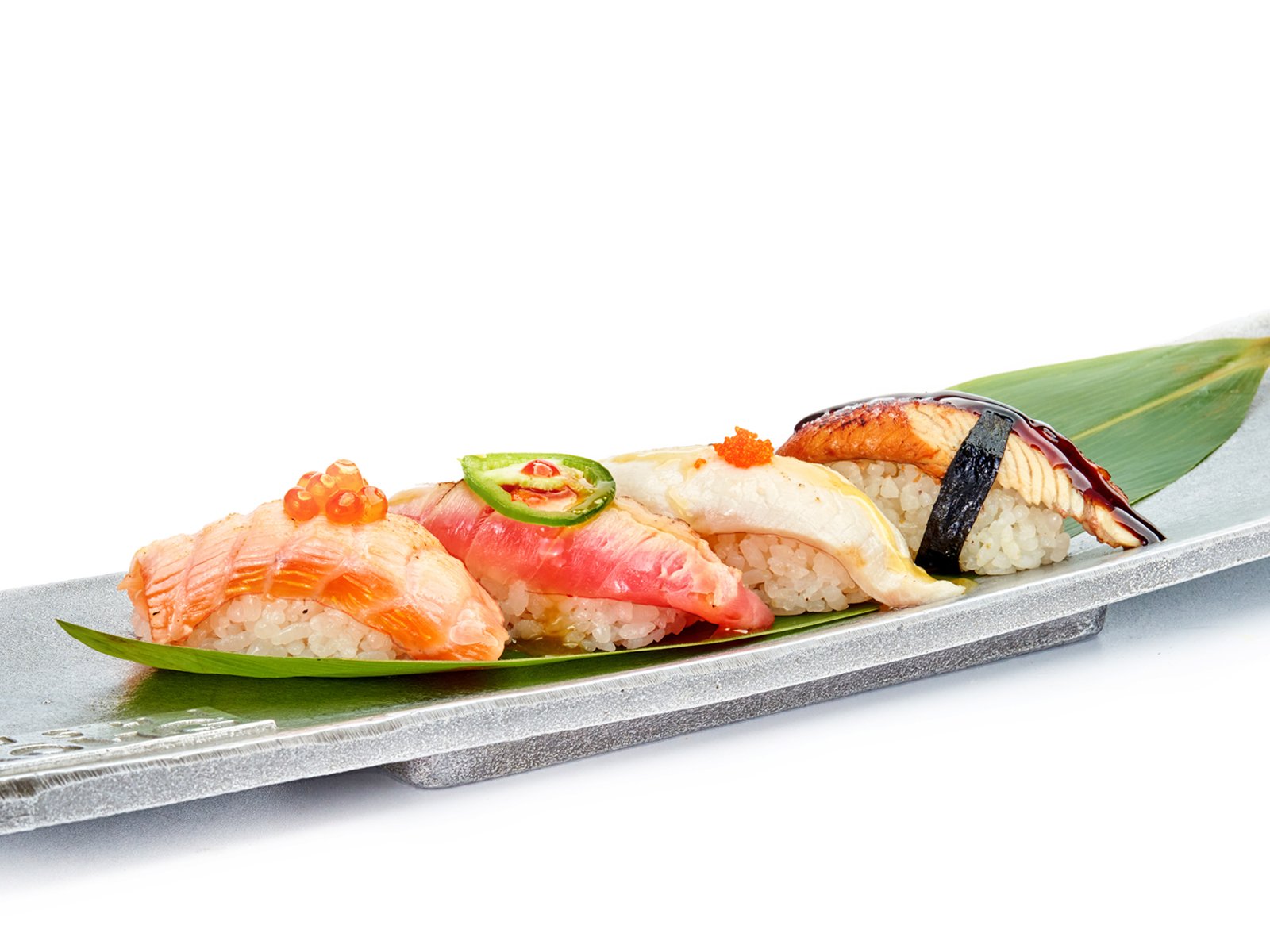
For fresh sushi miami at home, think in terms of stability. What will still feel intentional after 20 or 30 minutes on the move?
If you want a deeper breakdown of what actually survives delivery and what doesn’t, this guide connects the dots:
Sushi Quality Signs
Timing Your Order for Better Results
Timing quietly shapes everything.
Peak hours stretch kitchens and delivery systems. Orders stack up, drivers batch multiple stops, and what should be quick turns into a longer wait.
For sushi takeout miami or delivery, shifting your timing slightly can make a noticeable difference. Ordering just before the main rush, or slightly after, often leads to smoother execution.
Late-night orders have their own rhythm. Fewer options, but sometimes faster turnaround depending on the area. That’s where checking sushi near me open now becomes part of the strategy, not just convenience.
The goal isn’t perfect timing. It’s avoiding the moments where everything is under pressure.
Packaging Tells You More Than You Think
Packaging is one of the most underrated signals.
Good packaging isn’t about aesthetics. It’s about function. Separation between items, ventilation where needed, containers that protect structure instead of compressing it.
When a place invests in how food travels, it usually reflects how they think about the entire delivery process.
Poor packaging shows up immediately. Rolls sticking together, sauces leaking, textures compromised before you even take a bite.
For sushi delivery miami, this detail matters more than most people realize. It’s the difference between something arriving intact and something arriving… tired.
Making a Fast Decision Without Regret
At the end of the day, ordering sushi is often a fast decision. You don’t want to research for ten minutes when you’re already hungry.
The goal is to build a quick filter.
Check distance, but don’t rely on it alone. Scan the menu for items that travel well. Consider timing. Pay attention to how the place presents itself, not just visually, but structurally.
Within seconds, you’ll have enough information to move forward without guessing.
That’s what turns sushi near me from a random search into a reliable system.
Ordering nearby? Take 30 seconds to check the right signals and get sushi that actually arrives right.
FAQ
Is closer sushi always fresher?
Not always. While shorter distances help, consistency and how a restaurant handles delivery can matter just as much as proximity.
What sushi travels best for delivery?
Simpler rolls with balanced ingredients tend to hold up best. Avoid overly complex or heavily topped rolls that can lose structure during transit.
How do I know if a place is reliable?
Look for clear menus, consistent presentation, and signs that the restaurant is built to handle delivery, including packaging and timing.
