
“Fresh” might be the most overworked word in sushi marketing. Every sushi restaurant miami claims it. Every menu whispers it dramatically. Every delivery app photo practically radiates the energy of a fish who apparently graduated from Harvard five minutes ago. But actual fresh sushi miami doesn’t reveal itself through slogans.
You feel it.
Not in one giant cinematic moment either. It’s smaller than that. Subtle textures. Balanced temperatures. Rice behaving correctly. Fish that tastes clean instead of aggressively “fishy.” The whole experience feels lighter, clearer, almost calmer in your body afterward.
Freshness is less about performance and more about precision.
And honestly, once you recognize the signals, bad sushi becomes impossible to unknow.
Why “Fresh” Gets Overused in Sushi Marketing
Because technically everyone can say it.
“Fresh” sounds reassuring. Safe. Premium. But the word itself has become almost meaningless without context. Especially in cities like Miami where best sushi miami competition is intense and every restaurant is trying to sound superior simultaneously.
Real freshness is operational, not decorative.
It comes from timing, handling, storage, prep consistency, ingredient turnover, rice quality, transport control. Dozens of tiny invisible decisions stacking together quietly behind the scenes.
That’s why two restaurants using similar fish can create completely different sushi experiences.
One feels clean and balanced. The other feels tired, dense, oddly flat. Same category of food, entirely different physical sensation afterward.
And honestly, freshness is usually easier to feel than explain. Your body notices before your brain fully identifies why.
The Texture Signals That Matter Most
Texture tells the truth faster than flavor sometimes.
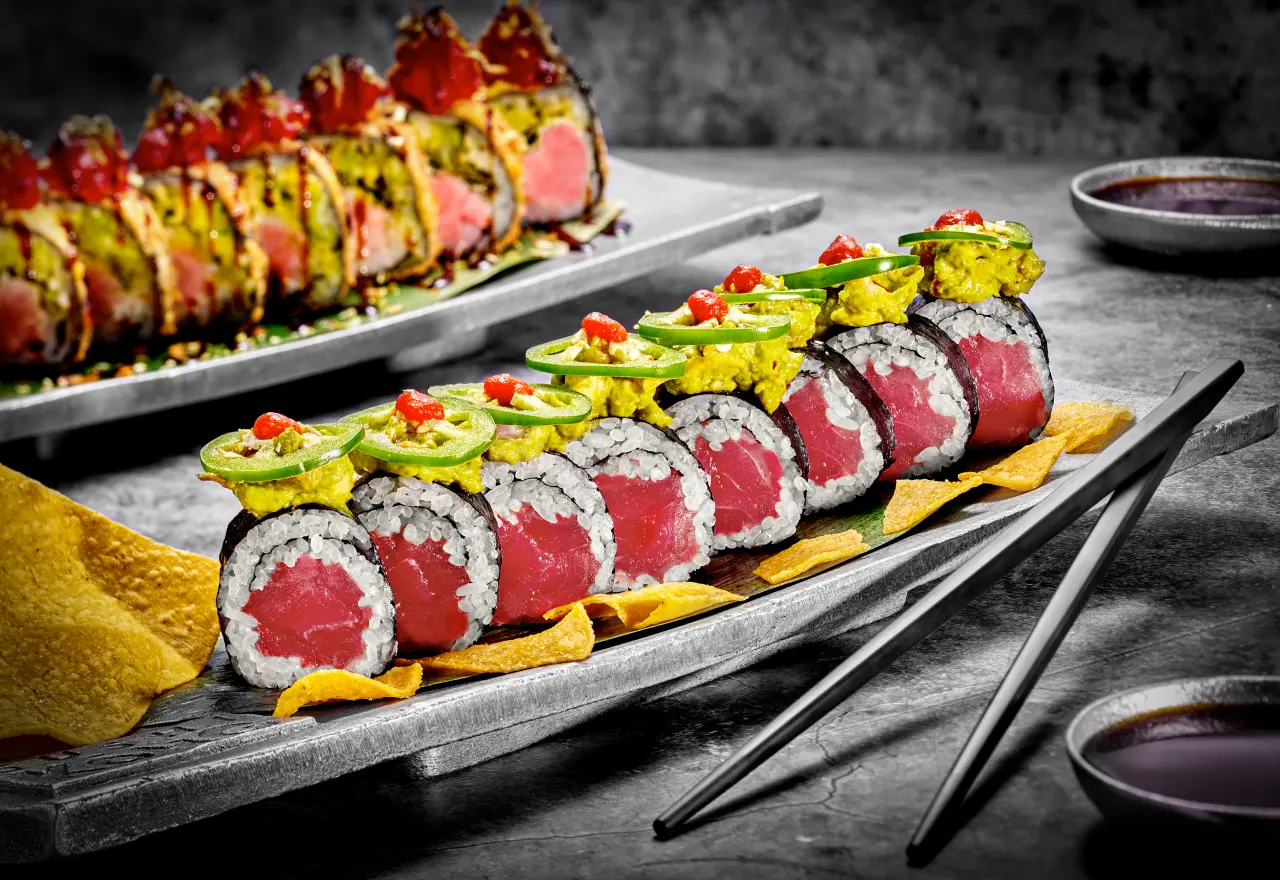
Good sushi rice should feel structured but soft, never dry, never gluey. Fish should feel clean and delicate instead of rubbery or strangely mushy. Rolls should hold together naturally without collapsing like emotionally unstable architecture.
This is one of the fastest ways to evaluate sushi quality miami.
Fresh sushi has clarity in texture. You can distinguish ingredients individually while they still work together cohesively. Nothing feels soggy, stale, or structurally exhausted.
And honestly, balance matters more than intensity here. Great sushi rarely punches you aggressively in the face with flavor. It unfolds gradually. Cleaner. More controlled.
That’s why overloaded sauces often hide freshness problems instead of improving the experience.
If you want to sharpen your ability to catch these quality signals quickly, this guide breaks them down beautifully: Sushi in Hialeah FL: Finding Quality in a Different Market

Freshness Starts Before the Fish
People focus heavily on fish freshness, understandably. But freshness actually starts much earlier than that.
Preparation timing matters enormously.
Rice handling. Ingredient storage. Knife work. Portion timing. Even how long components sit assembled before serving changes the final experience dramatically.
This is why genuinely fresh sushi experience miami moments often feel oddly effortless. Nothing feels stressed. The meal arrives balanced because the systems behind it are balanced too.
And honestly, restaurants that care deeply about freshness usually care deeply about consistency overall. You notice cleaner menus, more controlled portions, tighter execution.
Freshness is usually part of a larger philosophy rather than one isolated feature.
Why Rice Temperature Quietly Changes Everything
This is one of sushi’s sneakiest details.
Rice temperature.
Most people can’t consciously identify it at first, but they absolutely feel it.
Good sushi rice shouldn’t feel refrigerator-cold. It should carry slight warmth or room-temperature softness that allows the texture to stay alive and integrated with the fish. Cold rice hardens flavor. Proper rice temperature keeps the sushi feeling fluid and balanced.
And honestly? This tiny detail separates average sushi from memorable sushi constantly.
Because sushi isn’t just raw fish on rice. It’s a temperature relationship. A texture relationship. A pacing relationship.
Restaurants obsessed only with flashy presentation often neglect these quieter details. Restaurants serious about craft become almost irrationally precise about rice behavior.
As they should. Hungry for more info? We got you: Sushi in Miami: What Separates the Good from the Rest
How Delivery Affects Freshness Perception
Delivery changes freshness perception more than people realize.
Even excellent sushi delivery miami experiences still face transport physics. Time affects rice texture. Condensation changes crispness. Temperature shifts subtly during travel.
This doesn’t mean delivery sushi can’t be great. It absolutely can.
But smart delivery orders understand which items survive transport best. Cleaner rolls, balanced structures, stable textures. Sushi designed to travel without collapsing emotionally halfway through Miami traffic.
Distance matters too.
A technically incredible sushi spot thirty-five minutes away may end up feeling less fresh than a very good nearby option simply because the timing window stretched too far.
That’s why good delivery sushi relies heavily on operational consistency and smart packaging.
If you want a deeper breakdown of what sushi actually survives delivery well and what tends to fall apart during transport, this guide explains the reality beautifully:
Sushi Delivery in Miami: What Holds Up and What Doesn’t
Recognizing Fresh Sushi Miami After One Bite
Fresh sushi feels clean.
Not bland. Not flavorless. Clean.
The rice separates properly. The fish tastes subtle instead of aggressively oceanic. The textures stay distinct. Your mouth doesn’t feel overloaded immediately.
And honestly, there’s usually a strange lightness afterward too. Fresh sushi satisfies without creating heaviness. You feel fed instead of physically negotiated with.
That’s the part people remember most subconsciously.
Not just taste, but sensation. How the meal sits in the body afterward. Whether it felt balanced or exhausting. Whether the ingredients tasted alive or simply assembled.
If you want sushi built around that cleaner, more balanced experience, you can explore here:
https://sushikong.com/menu
Because real freshness doesn’t need dramatic marketing language.
One bite usually tells you everything already.
Fresh sushi isn’t just about fish. Learn the signals that actually matter.
