
A lot of people treat sake like a side character. Something that arrives in a tiny cup, gets politely acknowledged, and quietly disappears while the sushi does all the emotional labor.
Huge mistake.
Good sushi and sake miami pairings change the entire meal. Not in a dramatic “I have ascended into culinary enlightenment” way, calm down, Anthony Bourdain ghost. More subtly. Texture shifts. Flavors open up. Rich rolls feel cleaner, delicate fish feels softer, the whole dinner starts moving with actual rhythm instead of becoming a random pile of soy sauce decisions.
And the best part? You absolutely do not need to become a sake encyclopedia to enjoy it correctly.
Why Sake Changes the Sushi Experience
Sake doesn’t behave like wine, beer, or most classic sushi drinks people default to.
It interacts with sushi differently because it’s softer on the palate. Less aggressive acidity, smoother texture, more integration with the rice itself. Instead of competing with the food, it tends to move alongside it.
That’s why good sake pairing can make sushi feel more balanced almost immediately. The fish tastes cleaner, the rice feels rounder, flavors linger differently.
There’s also a temperature and texture component people underestimate. Sake creates flow. It changes the pacing of the meal from bite-bite-bite into something slower and more intentional.
And honestly? Miami’s sushi scene is finally catching up to this. More places are treating japanese sake as part of the experience instead of just an optional add-on hiding sadly at the bottom of the menu.

Light Fish vs Rich Rolls: Different Pairing Logic
Not all sushi wants the same kind of sake.
Light fish, cleaner nigiri, and simpler cuts usually work best with crisp, lighter sake styles. Something subtle enough to support the fish without flattening it. Think balance, not intensity.
Rich rolls follow completely different logic.
Creamier textures, spicy sauces, crunchier elements, heavier pairing sushi combinations need sake with enough body to hold its own. Otherwise the drink disappears under the flavor weight like a weak Wi-Fi signal during a thunderstorm.
This is where people often get confused. They assume “good sake” means one universal perfect bottle. Not really. The pairing shifts depending on what’s actually on the table.
A spicy tuna roll and delicate snapper nigiri are basically asking for different emotional support systems.
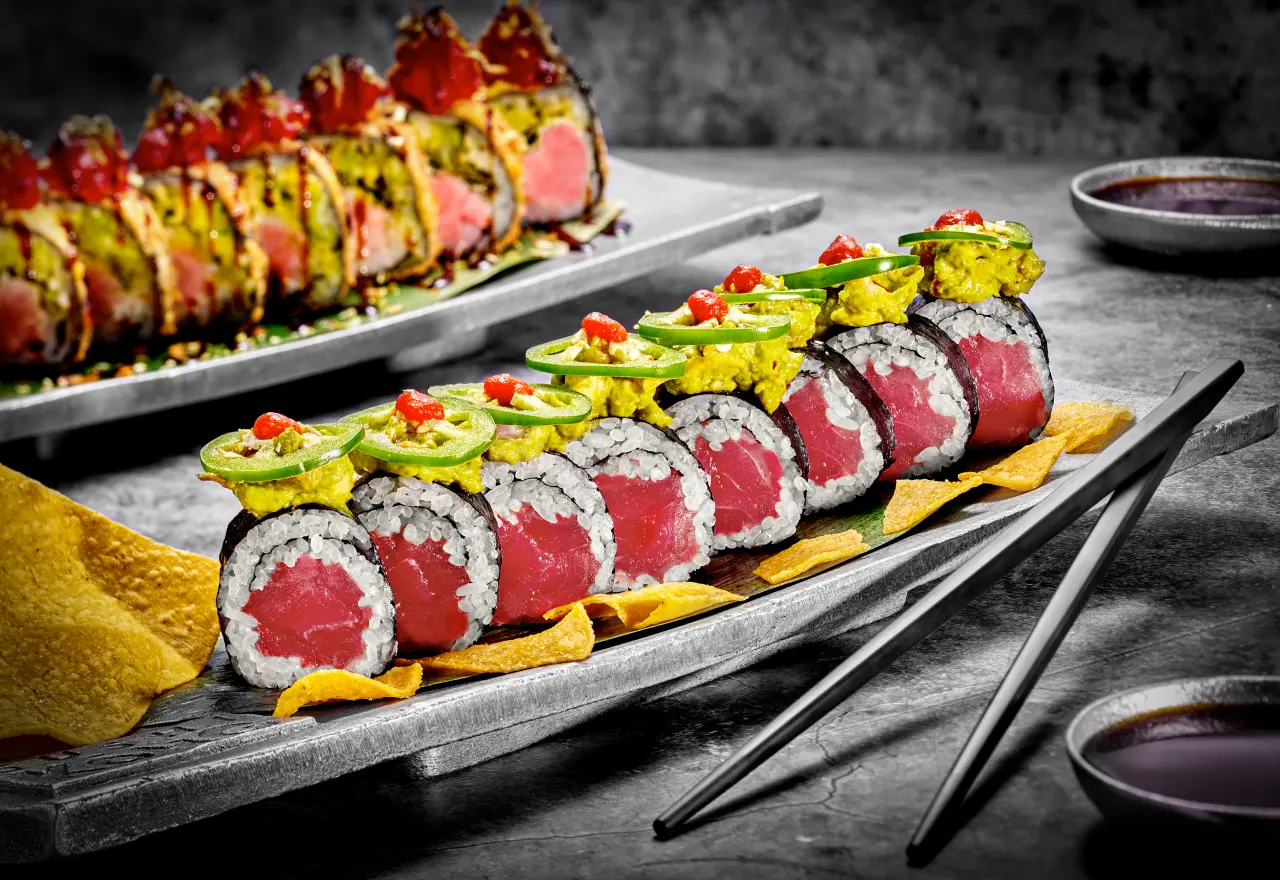
Cold vs Warm Sake: What Actually Works
The “warm sake vs cold sake” debate is full of myths.
A lot of people assume warm sake is either more authentic or automatically lower quality. Neither is universally true. Temperature changes perception, that’s all.
Cold sake usually highlights freshness, brightness, and cleaner notes. That’s why it works beautifully with lighter sushi and more delicate meals. It feels sharper and more refreshing, especially in Miami where the climate itself practically screams “please serve me something cold immediately.”
Warm sake creates softness. Rounder texture, deeper comfort, slightly richer feel. Better for cooler nights, richer dishes, or dinners leaning more toward warmth and fullness.
The important thing is intention. Temperature should support the meal, not exist as random tradition theater.
When Cocktails Interrupt the Meal
Here’s the controversial truth.
Some cocktails absolutely bulldoze sushi.
Too much sugar, too much citrus, too much alcohol burn, suddenly your palate gets overwhelmed. The fish loses subtlety, the rice starts tasting flatter, and everything becomes louder but less precise.
That’s why sushi and sake works so naturally together. Sake usually complements instead of interrupting.
This doesn’t mean cocktails are banned from sushi dinner. Relax. Nobody’s confiscating your spicy margarita. It just means certain cocktails pull attention away from the food instead of deepening it.
If the goal is a complete sushi experience, balance matters more than intensity.
And honestly, the best sushi dinners tend to feel cohesive rather than chaotic. Every part supporting the next instead of competing for screen time like reality TV contestants.
If you want a deeper breakdown of when to book and when to walk in: Sushi Reservations Near Me: Knowing When to Book and When to Walk In
Building a Pairing Progression Through Dinner
The smartest sushi and sake Miami dinners build gradually.
You start lighter. Cleaner flavors, fresher pours, simpler textures. Then the meal slowly deepens. Richer rolls, warmer notes, slightly fuller pairings.
It creates movement through the dinner instead of keeping everything on the same level the entire time.
This is one reason tasting menus feel so satisfying when done correctly. The progression itself becomes part of the pleasure. Each pairing slightly reshapes your palate for what comes next.
You don’t need a formal omakase setup to use this logic either. Even casual dinners improve when the order has flow instead of randomness.
If you’re curious about how sushi meals are designed structurally from start to finish, this guide explains the arc really well: Sushi Tasting Menu in Miami: Understanding the Arc
Keeping Sushi and Sake Miami Pairings Simple (Without Pretending to Be an Expert)
This is the important part.
You do not need to memorize sake regions, rice polishing ratios, or start describing drinks with phrases like “notes of mountain fog and emotional restraint.”
A good sake menu should feel approachable, not like a chemistry exam disguised as dinner.
Start simple. Lighter sake for cleaner sushi. Fuller sake for richer rolls. Cold for freshness, warm for softness. That alone gets you surprisingly far.
And honestly, confidence matters less than curiosity. The best pairings often come from paying attention to what actually feels good together instead of trying to perform expertise.
Because the real goal of sushi and sake miami isn’t sophistication theater. It’s making dinner feel smoother, more balanced, and infinitely more memorable.
If you want to explore pairings alongside a menu built for that kind of balance, you can start here: https://sushikong.com/menu
Pair your next sushi dinner with sake that actually complements the food.
FAQ
What sake pairs best with sushi?
Lighter sake styles pair well with delicate fish and simpler sushi, while richer sake works better with spicy or heavier rolls.
Should sake be served hot or cold?
Both can work. Cold sake highlights freshness and brightness, while warm sake creates a softer, fuller texture.
Does sake improve the sushi experience?
Yes. Good sake pairing changes texture perception, balances flavors, and creates a smoother overall dining experience.
