
Open a sushi menu miami for the first time and there’s always a brief moment of psychological turbulence.
Pages of rolls with names like Volcano Inferno Dragon Supreme. Entire paragraphs describing sauces with the emotional intensity of perfume ads. Tiny Japanese words you vaguely recognize from TikTok but absolutely cannot define under pressure.
And somehow, within all that chaos, you’re supposed to confidently decide dinner.
The funny part is that good sushi menus actually feel different immediately. You can sense it before ordering a single thing. Clear menus calm your brain. Bad menus make you feel like you accidentally opened a fantasy novel written by someone aggressively addicted to spicy mayo.
Learning to read the menu properly changes the whole experience.
Why Good Sushi Menus Feel Different Immediately
Strong sushi menus create clarity.
Not boring simplicity, but structure. You can quickly understand what the restaurant values, what kinds of sushi it prioritizes, and how the meal is meant to flow.
Bad menus feel frantic. Too many categories, too many giant photos, too many specialty rolls screaming for attention like contestants on a reality dating show.
A confident sushi restaurant miami doesn’t need to overload you. It guides you naturally.
You notice it in the pacing of the sections, the balance between classics and creative options, the way the menu avoids trying to be literally everything for everyone.
And honestly? That first impression matters more than people realize. A menu is the restaurant explaining how it thinks about food before you even take a bite.
The Sections That Actually Matter
Most sushi menu decisions become easier once you understand the core sections.
Nigiri is simplicity. Fish over rice. Minimal structure, maximum exposure. This is where freshness and technique become obvious because there’s nowhere to hide.
Sashimi strips things down even further. Pure fish, no rice, no distractions. Usually best when you want to focus on texture and quality directly.
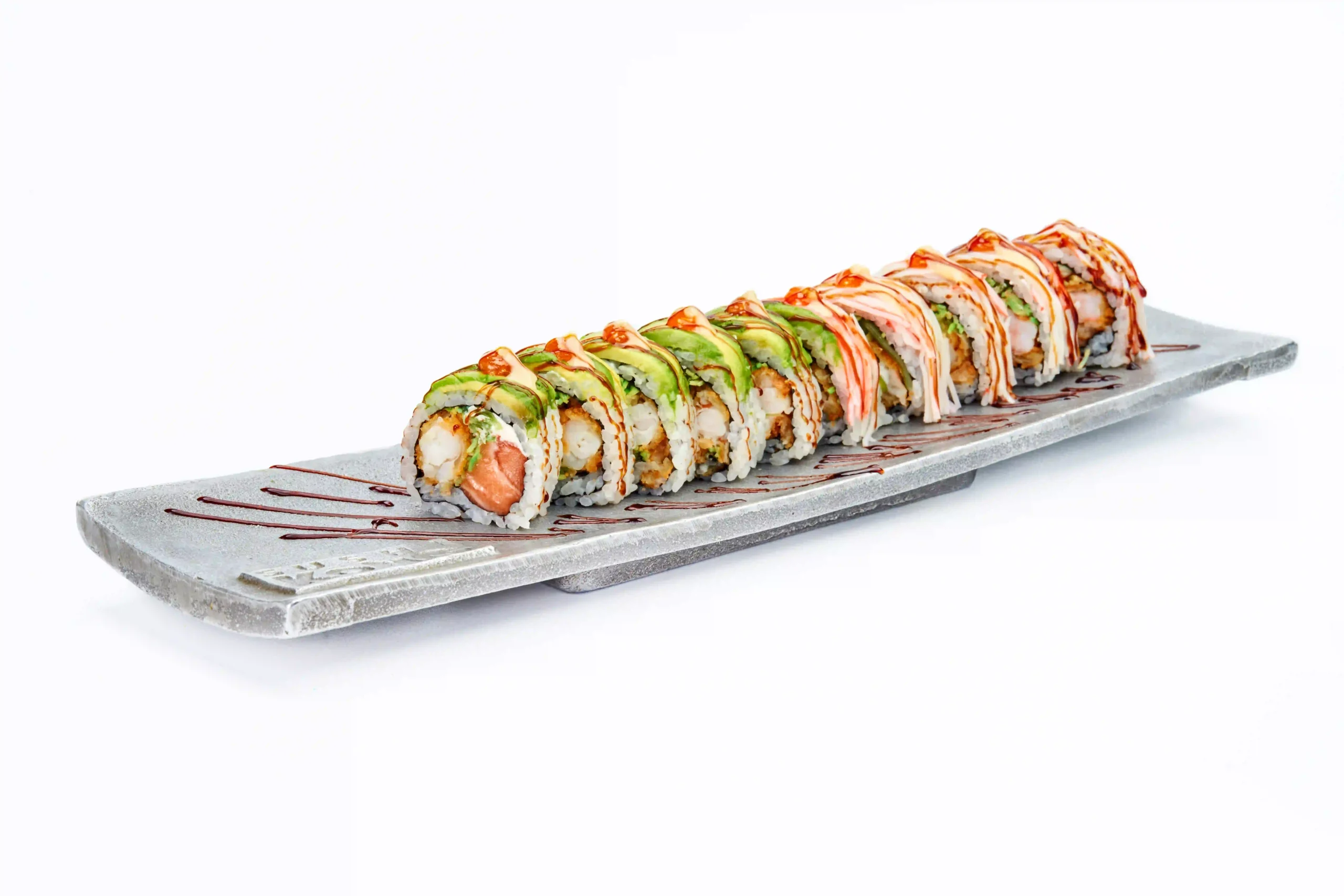
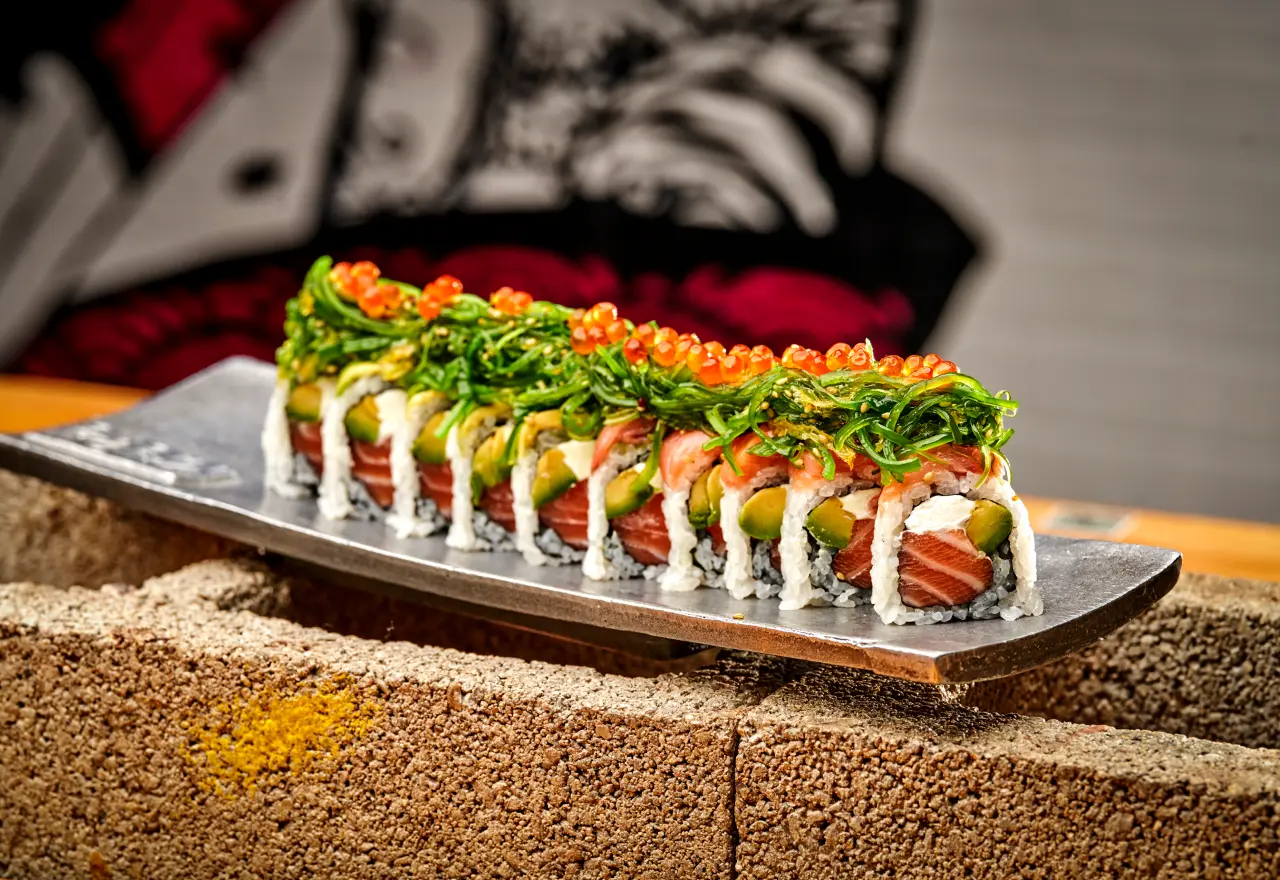
Rolls are the flexible category. Shared, customizable, social, often the center of most sushi rolls miami experiences. They can range from extremely clean to gloriously chaotic depending on the restaurant.
Then come the specials.
This section matters more than people think. A smart sushi specials section often signals confidence because it shows what the kitchen actually wants to highlight instead of simply repeating standard menu formulas.
The key is balance. The strongest meals usually pull from multiple sections instead of stacking six nearly identical rolls and calling it personal growth.
How Specialty Rolls Can Distract You
Specialty rolls are seductive little chaos agents.
They sound exciting. They look dramatic. Sometimes they absolutely deserve the hype. Other times they’re basically edible attention-seeking behavior.
This is where menus can trick people.
A giant wall of specialty rolls often creates decision paralysis. Everything sounds intense, overloaded, “signature,” “ultimate,” “crunchy,” “fire,” “deluxe.” At some point your brain stops processing actual ingredients and starts selecting based on emotional astrology.
Good sushi recommendations usually involve restraint. Not avoiding specialty rolls entirely, but balancing them with cleaner items that let your palate reset.
Because honestly, when every roll contains six toppings and three sauces, nothing stands out anymore.
If you want a deeper breakdown of which rolls actually earn their popularity and which ones are mostly hype smoke machines, this guide cuts through the chaos beautifully:
Sushi Rolls in Miami: Which Ones Actually Deserve the Hype
Spotting Freshness and Confidence Through the Menu
Menus quietly reveal confidence levels.
A restaurant confident in its fish quality usually doesn’t bury everything under excessive descriptions. Cleaner language often signals cleaner focus.
You also start noticing structural clues.
A menu overloaded with endless variations can sometimes suggest quantity over intention. Meanwhile, a tighter sushi menu Miami style with carefully chosen combinations often feels more deliberate.
Freshness shows up indirectly too. Seasonal specials, rotating items, simpler preparations. Restaurants that trust their ingredients usually let those ingredients remain visible.
And honestly, confidence often sounds calmer.
The strongest best sushi miami menus rarely scream. They don’t need to. They know what works already.
If you want to sharpen your ability to catch quality signals quickly before ordering, this guide makes those details impossible to unsee afterward: Sushi Quality Signs Miami Edition: Spotting Good Sushi
What to Ignore When Reading Sushi Menu Miami
Not every menu detail deserves your attention.
Gigantic photos? Sometimes useful, often manipulative. Excessively dramatic naming? Mostly entertainment. Endless “premium” labels attached to random ingredients? Marketing fog.
One of the biggest sushi order miami mistakes is confusing intensity with quality.
More ingredients does not automatically mean better sushi. Neither does higher price. Sometimes the simplest item on the menu quietly destroys the giant “Mega Crunch Volcano Supreme” roll sitting beside it.
Also ignore pressure to order performatively. You do not need to prove sophistication through sushi choices. Order what actually sounds balanced and enjoyable to you.
Because the goal is a good meal, not passing an imaginary sushi entrance exam.
Building a Better Meal From the Start
The smartest sushi meals begin before the first bite.
You scan the menu strategically. One cleaner item. One richer item. Something simple, something textured, enough variation to keep the meal moving without turning the table into an overcrowded food festival.
That’s when ordering stops feeling random and starts feeling intentional.
And honestly, this is the hidden difference between forgettable sushi dinners and memorable ones. Not just ingredient quality, but menu navigation. Understanding how the pieces fit together before the food even arrives.
If you want a sushi menu Miami designed to feel balanced instead of overwhelming, you can explore here: https://sushikong.com/menu
Because great sushi experiences rarely start with guessing. They start with reading the room, reading the menu, and knowing what’s actually worth your attention.
A good sushi experience starts before the first bite. Learn how to read the menu like someone who’s done this before.
FAQ
What should I look for on a sushi menu?
Look for structure, balance, and clarity. Strong menus feel organized, focused, and intentional instead of overloaded with endless options.
Are large sushi menus a bad sign?
Not always, but extremely oversized menus can sometimes signal lack of focus. Smaller, curated menus often reflect stronger consistency and confidence.
What’s the difference between nigiri, sashimi, and rolls?
Nigiri is fish served over rice, sashimi is sliced fish without rice, and rolls combine multiple ingredients wrapped together, usually with rice and seaweed.
