
Searching sushi reservations near me in Miami feels a little like checking the weather before a rooftop party. Sometimes everything flows effortlessly. Other times you’re standing outside a packed restaurant at 8:47 p.m. wondering why every attractive person in Brickell apparently had the exact same dinner idea.
The truth is, not every sushi night needs a reservation. But some absolutely do. The trick is knowing the difference before you’re hungry, underdressed, overdressed, or emotionally attached to a table that no longer exists.
Because in Miami, timing changes everything.
Why Some Sushi Places Fill Faster Than Others
Not all sushi restaurant miami spots operate on the same rhythm.
Some places are destination restaurants. People plan around them, build nights around them, post blurry cocktail photos from them. Those places fill quickly because they’re selling more than food. They’re selling atmosphere, momentum, social energy.
Other spots move faster and more casually. Strong turnover, efficient seating, less ceremony. Great for spontaneous dinners and walk in sushi situations.
Neighborhoods matter too. Brickell tends to spike hard after work hours when everyone collectively decides they deserve salmon after surviving corporate existence. Wynwood gets busier later, especially on weekends when dinner quietly mutates into nightlife.
That’s why sushi table booking decisions are less about popularity alone and more about context. Same restaurant, different night, completely different reality.
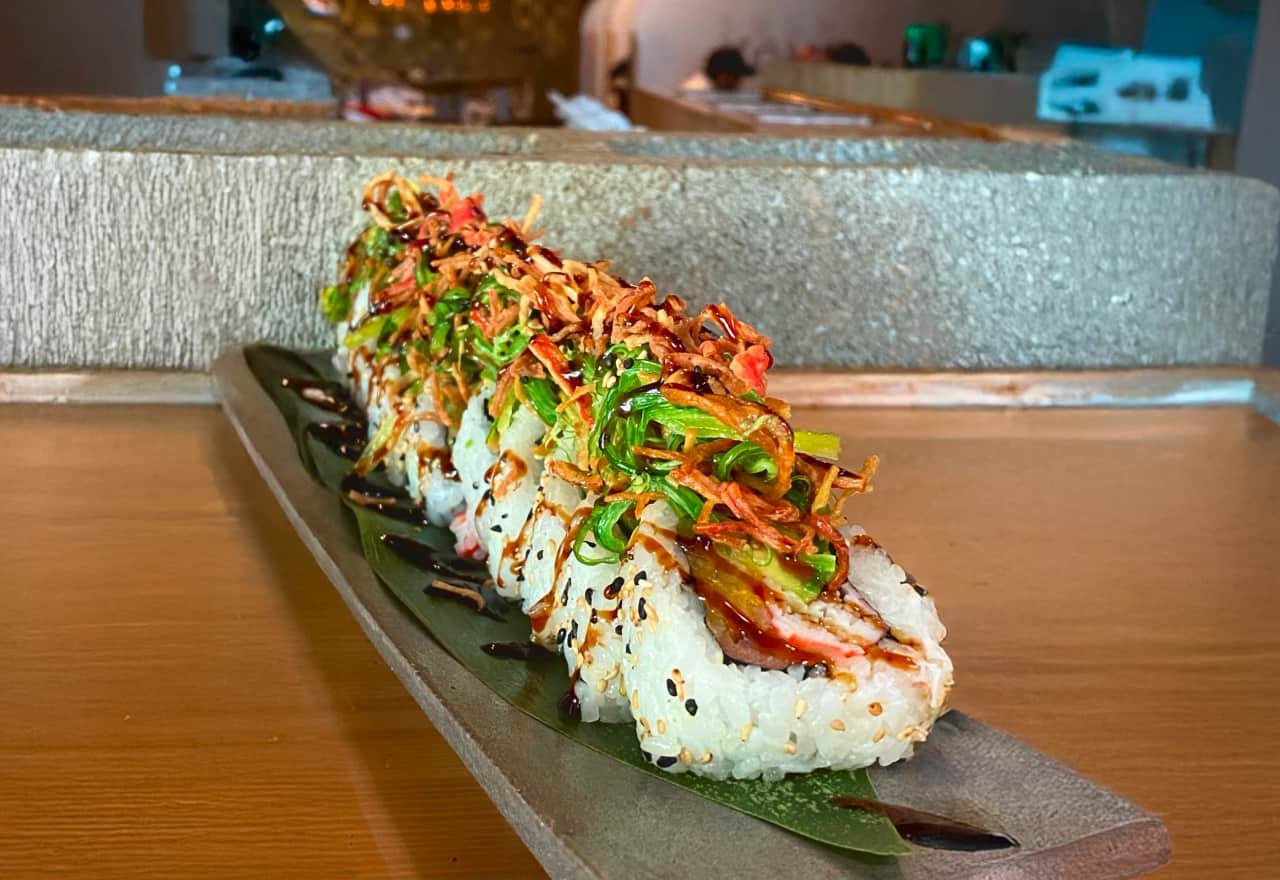
Peak Hours That Change Everything
There are certain windows where Miami sushi enters battle mode.
Friday nights. Saturday evenings. Post-work dinner rushes around 7 p.m. These are the danger zones for anyone relying purely on optimism and vibes.
A normal dinner reservation suddenly becomes the difference between smoothly sitting down and spending forty minutes pretending you’re “totally fine waiting.”
Lunch tends to be easier. Early dinners too. Once you move slightly outside the peak flow, your chances improve dramatically.
This is where timing becomes strategy. If you know you want a specific experience, especially for a date, group dinner, or high-energy weekend plan, booking ahead stops feeling excessive and starts feeling smart.
If you’re shaping a full dinner plan instead of just chasing availability, this guide helps align the night properly: Sushi for Dinner in Miami: Making the Evening Count
Walk-In Strategy vs Reservation Strategy
Walk-ins are underrated when you use them correctly.
A lot of people assume reserve sushi is always the safest move, but honestly? Sometimes flexibility wins. Smaller groups, earlier hours, solo dinners, and low-peak weekdays often work perfectly without reservations.
The problem is when people try walk-in energy during obvious peak chaos. That’s how you end up wandering through Miami at 9:30 p.m. becoming progressively more emotionally attached to random hostess stands.
Reservation strategy works best when certainty matters. Dates, birthdays, group dinners, weekends, or places known for limited seating. Walk-in strategy works when spontaneity is part of the plan and the stakes are lower.
Neither is universally better. They’re just different tools.
How Many People Changes the Equation
Group size quietly changes everything.
Solo diners can often slide into spaces that larger groups can’t. Two people still have decent flexibility. Once you hit four, six, or more, the restaurant starts needing to organize around you.
That’s when sushi reservations become much more important.
Large groups affect pacing, table layouts, kitchen timing, all of it. Restaurants prefer knowing ahead of time because it keeps the flow stable. And honestly, your experience improves too. Nobody wants to spend half the night waiting for enough seats to magically materialize.
For dates, reservations also remove friction. The night feels smoother when you’re not improvising logistics in real time.
If you’re planning something more atmospheric, this guide captures the kind of sushi nights where booking ahead matters most: Sushi Reservations in Miami: Strategy for Getting In
The Reservation Signals Serious Restaurants Send
Good reservation systems quietly signal organization.
A restaurant that manages bookings well usually manages the rest of the experience well too. Timing, pacing, communication, flow. None of it happens accidentally.
That doesn’t mean ultra-formal. Some of the best sushi spots feel relaxed while still running like clockwork underneath. You feel it in how quickly tables turn, how clearly expectations are communicated, how smoothly people move through the space.
For reservation strategy, this matters more than aesthetics. A beautiful restaurant with chaotic timing can ruin the entire mood. A well-organized restaurant creates ease before you even sit down.
That ease becomes part of the dining experience itself.
Last-Minute Booking Tactics That Actually Work
Sometimes you didn’t plan ahead. It happens. Miami itself feels like a city built entirely on “wait… what are we doing tonight?”
The best last-minute move is flexibility. Earlier dinners, slightly later dinners, smaller groups, nearby alternatives. Tiny adjustments massively improve your chances.
Checking availability just outside peak hours can suddenly open options that looked impossible thirty minutes earlier. Calling directly also helps more than people think. Not every available table appears online.
And honestly? Sometimes the smartest move is pivoting. Instead of forcing a packed dine-in situation, you shift toward quality takeout or delivery and save yourself the logistical spiral entirely.
If you’re looking for reliable sushi without the reservation stress, you can always explore here:
https://sushikong.com/
Because the best sushi night isn’t always the most exclusive one. Sometimes it’s simply the one that flows.
Planning dinner tonight? Reserve ahead or time your walk-in smartly.
