
Let’s talk recommendations. Specifically, sushi recommentaions Miami style. Nobody texts their group chat “I found a restaurant with excellent SEO.”
They text “bro go to this place” with a pin drop and three fire emojis. That’s it. That’s the whole review. And somehow that text carries more weight than 847 Google reviews and a feature in a magazine nobody actually reads.
Sushi recommendations miami work the same way. The best ones don’t come from algorithms. They come from someone who ate somewhere, had a moment, and immediately thought of a specific person who needed to know about it. That’s the recommendation system that actually moves tables in this city.
Here’s how it works and why it matters.
The Difference Between Ads and Advice
Ads want you to go somewhere. Advice wants you to have a good time.
Those sound similar. They are not similar at all.
An ad is optimized for clicks. It’s designed to get you in the door regardless of whether the experience matches the promise. The conversion metric is your arrival. What happens after you sit down is somebody else’s problem.
Personal recommendation is the opposite. The person giving it has their reputation on the line. If they send you somewhere bad, you’re going to remember that. You’re going to bring it up. “You told me that place was good.” The social stakes are real and they self-regulate quality.
This is why word of mouth recommendations trend more accurate than sponsored content. The incentive structure is completely different. The algorithm wants engagement. Your friend wants you to eat well because they genuinely like you and also because they can’t handle being wrong about restaurants. Miami people have strong opinions. Being wrong about a restaurant recommendation is a whole thing.
Trusted advice in the sushi category specifically matters because sushi quality ranges more dramatically than most cuisines. A mediocre pasta is still recognizably pasta. Mediocre sushi can be actively bad in ways that discourage the whole category. A bad recommendation here has consequences. Good ones get remembered for years.
What Makes a Genuine Recommendation
Real sushi recommendations have specific detail in them.
“You should go” is not a recommendation. It’s a direction.
“You should go, specifically order the Havana 305, and sit at the bar if you can because watching them make it is half the experience” is a recommendation. It has information. A specific dish. Reason. It reflects actual experience rather than a vague positive impression.
Insider tips work because they collapse the learning curve. You skip the three visits it takes to figure out what to order. The wrong table. The timing mistake. Someone who has already paid the tuition of figuring something out transfers that knowledge to you directly. That’s the whole value of the recommendation ecosystem.
The best local knowledge recommendations also include context. “Go on a weekday before 7:30” is context. “It’s worth the drive from wherever you are” is context. “Take the person you’re trying to impress” is context. Without context, a recommendation is incomplete. It tells you what but not when or how, and the when and how change the experience significantly.
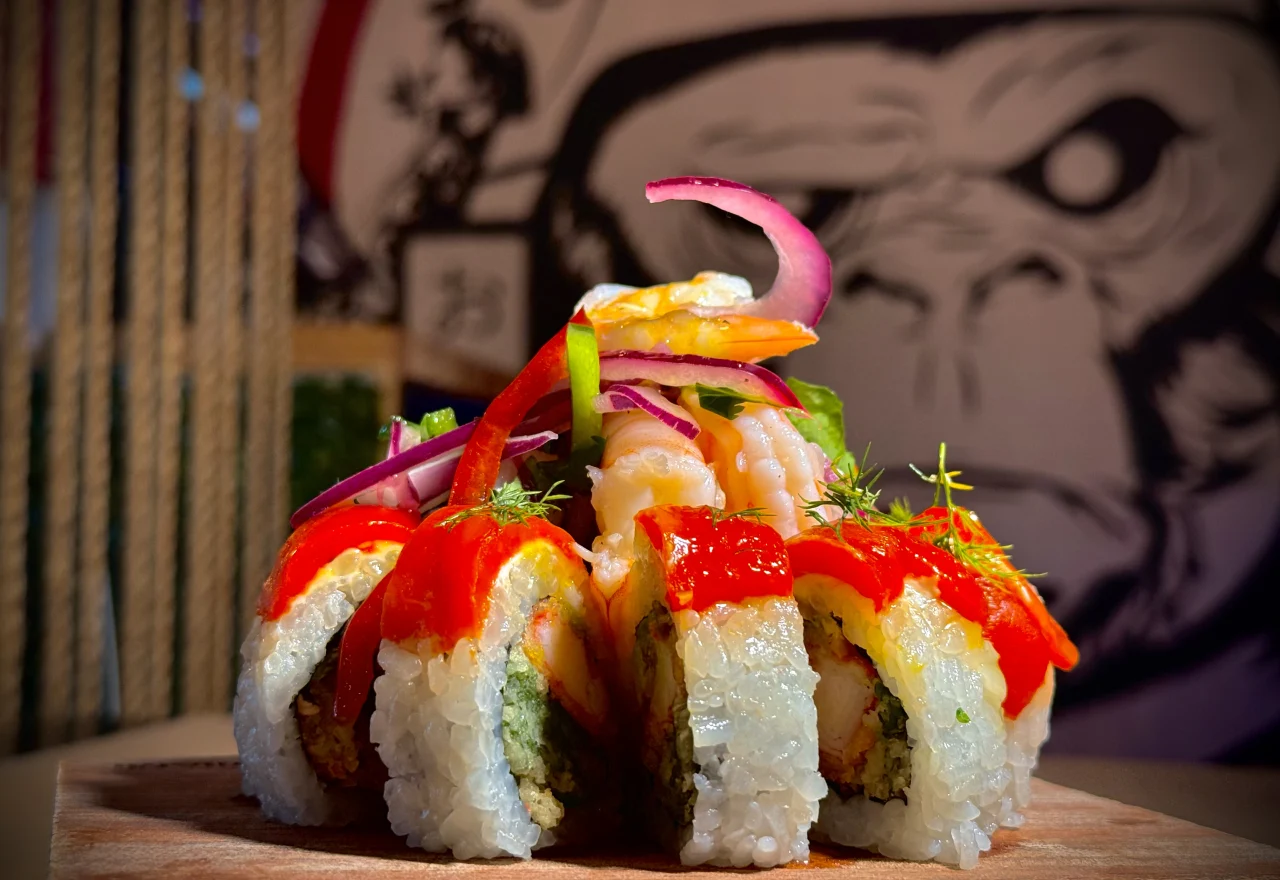
Sushi KONG earns the specific kind of recommendation because the menu gives people specific things to say. Kong’s Benedict at brunch. PataKONG that makes Miami people do a double take because sweet plantain in a sushi context is obvious once you taste it and surprising until you do. Chocolate Kamikaze that arrives at dessert and causes a table-wide pause that someone always tries to describe and can’t quite. These are recommendation-generating moments. They’re specific. Shareable. They stick.
Building Your Referral Network
Miami has a restaurant recommendation economy that runs parallel to everything else in the city.
It lives in group chats. In the parking lot conversation after a good meal. It lives in the “where should we go” Instagram story that generates 40 responses in 20 minutes because this city has opinions and it’s not shy about them.
Friend recommendation networks in Miami sort themselves naturally. You know which friend has the food taste you trust. Which coworker always knows the new spot before everyone else. You know which family member has been eating in this city for 30 years and remembers when everything was different and better and also when everything is actually better now.
These people are your actual Yelp. Curated, accountable, personalized to your taste in a way that no algorithm achieves.
Building your referral network means being a good recommender yourself. Which means eating intentionally. Noticing what works. Being specific when someone asks. Not just saying “it was good” but saying which dish, what time, what the experience felt like. That specificity is the currency of the recommendation economy.
It also means being honest about misses. A recommendation network that only reports positives loses calibration. “I didn’t love it” is useful information. “It wasn’t for me but you specifically would probably like it” is even more useful. That level of nuance is what separates a recommendation from a referral and a referral from actual trusted advice.
Understanding Hidden Preferences
The best recommendations account for the person receiving them, not just the place being described.
Personal recommendation quality depends on how well the recommender understands the recipient’s preferences. Sending someone who hates bold flavors to the Mango Tango (crispy white fish, mango, passion fruit glaze, eel sauce) without warning is technically a good dish recommendation and practically a disaster. Sending someone who loves tropical-forward flavor profiles straight to it is exactly right.
Hidden preferences are the ones people don’t volunteer but that recommendations need to account for.
Some people need a quiet table. Others want the counter. Some people are going to a sushi restaurant but don’t eat raw fish and need to know the wok dishes are genuinely good (they are: the Yakimeshi Beef, the KING Yakimeshi). Others have a group of six that includes one person with a shellfish allergy and need to know which dishes to navigate around.
Insider tips that account for this level of specificity are rare and valuable. They don’t come from Google. They come from someone who has been to the restaurant enough times, in enough configurations, to know how different people experience it differently.
That depth of knowledge builds over visits. It’s another reason regulars give better recommendations than one-time visitors. The one-time visitor knows what they ordered. The regular knows what works for different people, different occasions, different moods.
Are you ordering from the office? Don’t miss these Office-friendly Ordering Tips
How to Give (And Receive) Good Advice
Giving good restaurant advice has a structure.
Lead with the dish. “Order the Coco Loco first” is more useful than “the food is great.” Specific dishes give the recipient something to anchor the experience to.
Add timing context. “Go before 7:30 on a weekday if you can” changes the experience. “Brunch on Saturday is worth building the morning around” is actionable information.
Include the occasion match. “This is the right place for a date night” and “this is the right place for a group dinner” are different recommendations even for the same restaurant. The occasion shapes what matters.
Receiving good advice means actually using it. The specific dish, the timing, the seating preference. Don’t forget the recommendation that gets followed precisely tends to produce the experience the recommender intended. And also the recommendation followed loosely sometimes lands, sometimes doesn’t, and the feedback loop gets confused.
Sushi KONG is the place that generates the right kind of recommendations. Specific dishes worth naming. Experiences worth describing. A format that works across enough occasions that different people recommend it for different reasons and all of them are right.
We’re honored every time a guest sends a friend with a pin drop and three fire emojis. Join them and see what you’ll tell yours.
