
You searched. You got results. Now what?
The first page of Google for sushi in miami fl is not a curated list of the best sushi in Miami. It’s a combination of paid placements, SEO-optimized content, review aggregators pulling from aggregators, and the occasional restaurant that genuinely earned its position through sustained quality. Separating those categories is a skill nobody teaches you but everyone needs.
This is that guide.
Search Algorithm Insights
Google’s local search algorithm rewards proximity, relevance, and authority. In that order, roughly.
Proximity means the results you see are partly determined by where you’re standing when you search. Two people searching the same phrase from different Miami neighborhoods get different maps, different rankings, different first impressions of what’s “best.” The algorithm isn’t lying to either of them. It’s just answering a different version of the question than the one they think they asked.
Relevance means how well a restaurant’s digital presence matches the search terms. A place that has “sushi miami fl” written seventeen times across its website will rank higher than a better restaurant that never thought about keywords. The food in the kitchen has nothing to do with this calculation.
Authority means accumulated signals: links, mentions, review volume, time in business. An older restaurant with a mediocre product but years of digital presence can outrank a newer kitchen that’s doing better work but hasn’t built the same footprint yet.
Florida sushi searches trigger this same system at a slightly broader scale. The results expand geographically but the same mechanics apply. Understanding this doesn’t make the algorithm wrong. It just makes you a better reader of what it’s giving you.
Sponsored vs. Organic Reality
The top of most sushi florida search results pages has sponsored listings. They’re labeled, technically. The label is easy to miss if you’re not looking for it.
Sponsored placement means a restaurant paid to appear there. Full stop. It says nothing about quality, nothing about consistency, nothing about whether the fish arrived this morning or last Thursday. A sponsored listing is a marketing decision, not a quality signal.
Organic results below the ads are earned through the authority and relevance mechanics described above. They’re more meaningful than sponsored placements, but still filtered through algorithm logic rather than actual culinary judgment.
The map pack, those three highlighted results with the star ratings and photos, is the most contested real estate in miami florida local search. Getting into that pack requires a combination of review volume, engagement, and location signals. It correlates with quality more often than sponsored listings do, but correlation is not the same as guarantee.
The practical move: treat the first result as a starting point, not a conclusion. It’s where to begin reading, not where to stop.
Review Manipulation Patterns
Reviews are the most useful and most manipulated signal in the system simultaneously.
Fake positive reviews are common enough that Google has entire teams dedicated to detecting them. They tend to cluster: multiple reviews posted in a short window, similar language patterns, accounts with no other review history. A restaurant that went from 3.8 to 4.6 in two months without a renovation or ownership change is telling you something.
Fake negative reviews exist too, usually competitor-driven. A cluster of one-star reviews with oddly similar phrasing targeting a specific dish or time period is usually not organic customer feedback.
What’s harder to fake: volume over time. A restaurant with 2,000 reviews accumulated over three years at a 4.8 average is a fundamentally different signal than one with 200 reviews at 4.9 posted in the last six months. The former represents sustained performance. The latter could be anything.
Regional option searches for sushi miami fl pull from the same review pool. The aggregators (Yelp, TripAdvisor, OpenTable) each have their own manipulation patterns and their own detection systems. Cross-referencing across platforms gives you a more complete picture than trusting any single one.
Sushi KONG sits at 4.8 on Google across thousands of reviews accumulated over years of consistent operation. That’s not a number you manufacture. That’s a number you earn by being the same restaurant every day for a long time. Want to get better at finding hidden gems? Head to Best sushi in Miami: How to judge before you commit.
Rating Systems and What They Measure
Star ratings measure customer satisfaction at the moment of review. That’s it.
They don’t measure fish quality, sourcing standards, technique, or how the kitchen performs at 9 PM on a Saturday when the restaurant is at full capacity. They measure whether the customer who left the review was happy when they left. Those two things overlap significantly but not completely.
A 4.2 rating at a serious kitchen where the clientele has high expectations tells you something different than a 4.2 at a casual spot where people are mostly happy to have been fed. The rating is the same. The information it contains is different.
Florida dining review culture skews toward extremes. Happy customers and very unhappy customers leave reviews. The satisfied middle mostly doesn’t. This means ratings compress toward the high end for restaurants that deliver a consistent, solid experience without dramatic failures or dramatic highs. Reading the written reviews, not just the star count, fills in what the number can’t tell you.
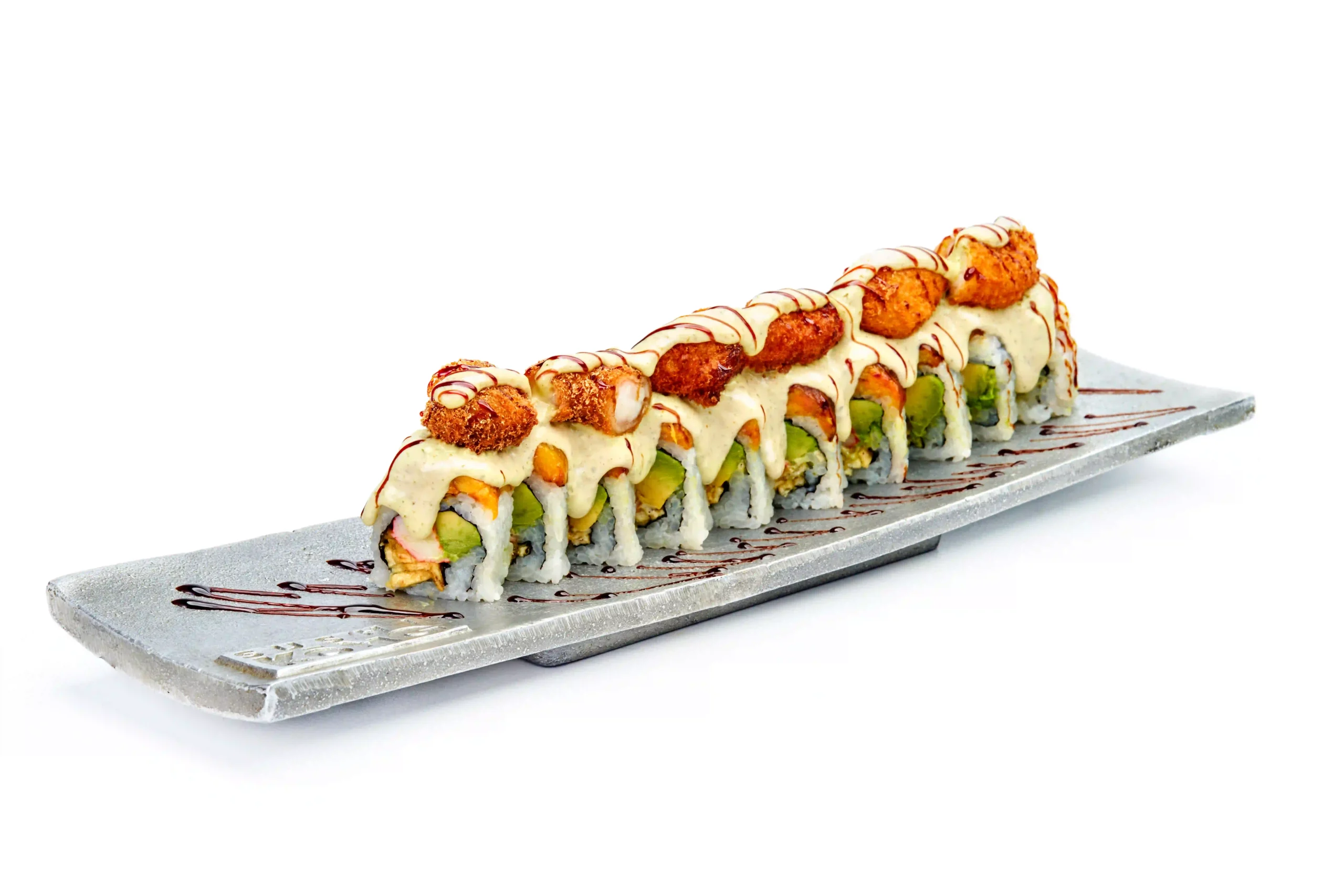
Look for reviews that mention specific dishes. “Amazing food” tells you nothing. “The Hitched Sashimi was pristine and the Romeo & Juliet had better technique than places I’ve been to in New York” tells you something about what the kitchen is actually doing. If you want to dig deeper, head to Sushi in Miami: What separates the good from the rest.
Making Decisions Beyond the Algorithm
The best recommendation system for state search restaurant decisions isn’t Google. It’s people who eat out regularly and have similar taste to yours.
A single trusted recommendation from someone who understands food beats the first page of search results every time. The problem is that trusted recommendations don’t scale. They’re personal, specific, and not available on demand. So the algorithm fills the gap, imperfectly.
The hybrid approach works best: use search to build a list, use reviews to filter it, use human judgment to make the final call. The final call should involve asking: does this restaurant have a point of view? Does the menu have identity beyond “we serve sushi”? Is there evidence of sustained quality over time rather than a recent spike?
The full menu at Sushi KONG answers those questions before you walk in. Latin-Japanese fusion with actual logic behind every dish, a menu built around daily sourcing, and a reputation developed over years in a neighborhood with a long memory for quality.
Sushi miami fl searches return a lot of options. Most of them are fine. A few of them are worth finding.
Find us in the results, or skip the algorithm entirely and come directly. Real Miami sushi. Real reviews. No sponsored placement required.
