
Sushi platter Miami works when it’s built with intention. Here’s how to build it right. A sushi platter is either the best decision you made for the group or a 20-piece reminder that nobody coordinated before ordering.
The difference is about three minutes of planning. That’s it. Three minutes between a spread that lands perfectly and a table full of duplicates where everyone wanted the salmon roll and nobody thought to check.
Platter vs. Individual Orders: The Case for Each
Individual orders make sense when everyone at the table has strong, specific preferences and enough overlap to justify separate decisions. Two people who both know exactly what they want, no shared dishes, clean and simple. That works.
The platter order format earns its place in every other situation.
Four or more people trying to coordinate individual orders creates a chain reaction of “wait, what did you get, should I get something different, do we have enough, are we getting too much.” That negotiation takes longer than the meal itself if you let it run. A platter short-circuits the whole thing. One decision, made once, covers the table.
Platters also do something individual orders can’t: they create a shared experience. When the food arrives as a spread in the center of the table, the meal becomes communal in a way that individual plates don’t. People reach, react, compare. “Try this one” becomes the sentence of the evening. That dynamic is worth something beyond the convenience.
The case against platters is customization. If someone at the table has specific restrictions or strong aversions, a pre-built combination platter requires more communication upfront. Solvable, but worth flagging before the order goes in.
Variety Calculation for Different Group Sizes
The math changes with headcount.
Two people: a mixed platter of eight to ten pieces covers both people without creating leftovers. Add one signature roll on the side for something with more personality and you’ve got a complete meal without over-ordering.
Four people: twelve to sixteen pieces as the platter base, two signature rolls alongside. The platter handles the raw component, the rolls add flavor variety and volume. This is the format that works for most casual group dining situations at Sushi KONG.
Six to eight people: this is where the group platter logic kicks in seriously. Twenty-plus pieces, three to four rolls, at least one wok dish as a table anchor. The Yakimeshi Beef or the KING Yakimeshi (three proteins, fried egg, stir-fried rice) in the center while the platter circulates. Everyone eats, nobody waits, the table feels full without being chaotic.
Ten or more: call ahead. A shared platter at this scale needs kitchen coordination to arrive in one coherent wave instead of in pieces that hit the table over 20 minutes. 305-800-KONG handles this. Takes three minutes and saves the entire experience. Also Ordering sushi with friends without the chaos is an art form, read all about it and become a PRO.
Check the full menu before you calculate so you’re building around actual dishes rather than abstract categories.
Balance: Rolls, Nigiri, and Sashimi Mix
This is where most assorted sushi platters either work or don’t.
An all-roll platter is easy to order and hits a ceiling fast. Rolls are filling, they’re rich, and eating eight of them in sequence without something cleaner in between gets heavy. The table goes quiet around piece twelve for the wrong reasons.
The formula that works: roughly 40% rolls, 30% nigiri, 30% sashimi. Not exact, not mandatory, but a ratio that gives the palate variety throughout the meal.
The sashimi component, premium cuts of hamachi and tuna like the Hitched Sashimi, brings clean protein that resets between richer rolls. The Asia Mia Salad (krab, wakame, carrots, salmon, avocado, spicy mayo) added alongside functions the same way: brightness and acidity that keeps the heavier pieces landing well.
Nigiri sits between the two formats. It’s composed, it showcases the fish directly, and it gives the table something to compare and discuss. A piece of nigiri next to a signature roll shows two completely different expressions of the same ingredient. That contrast is genuinely interesting and makes the platter feel like a tasting rather than just a pile of food.
For the roll component of the combination platter, pick across flavor profiles rather than across proteins. The Miami Lover (tuna, kakiage, avocado, cream cheese, tamarindo glaze, coconut flakes, ponzu) and the Mango Tango (crispy white fish, mango, passion fruit glaze, eel sauce) together cover bold-savory and bold-sweet without overlapping. Add the Romeo & Juliet (crispy salmon, krab salad, cream cheese, smoked salmon, avocado, shrimp tempura, shrimp ceviche on top) for richness and you’ve got three rolls that don’t compete with each other.

Presentation That Matters
A sushi platter Miami edition that looks right before anyone touches it is already doing half the work.
Presentation in a platter context is about visual variety as much as flavor variety. Different colors, different heights, different textures visible before the first piece gets picked up. A platter that’s all brown tones and similar shapes, regardless of how good each individual piece is, reads as monotonous before it’s tasted.
The PataKONG (fried sweet plantain cup, sushi rice, krab salad, salmon, passion fruit, cream cheese) on a platter is a visual anchor. The cup format sits differently from everything around it. The color contrast of the plantain against the rice and salmon draws the eye immediately. It’s the piece everyone reaches for first because it looks most interesting, and it earns that attention.
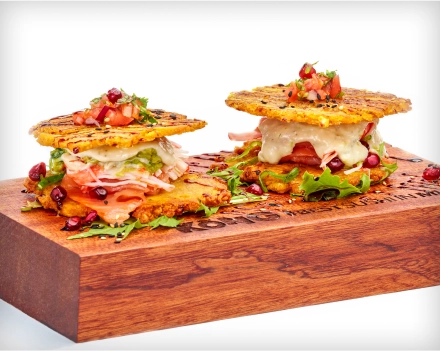
The Sushi Pizza (tempura rice bun, smoked salmon, sweet plantain, raclette, passion fruit glaze, eel sauce) as a platter centerpiece achieves the same effect at a larger scale. It arrives looking like a statement. At a party or event, it’s the first thing people photograph. That reaction is part of the experience and it’s worth building around.
For events specifically, presentation becomes a hosting decision as much as a food one. What the platter looks like when it hits the table tells guests something about the occasion before they’ve tasted anything. A thoughtfully built platter order communicates effort, which at a dinner party or corporate event is the whole point.
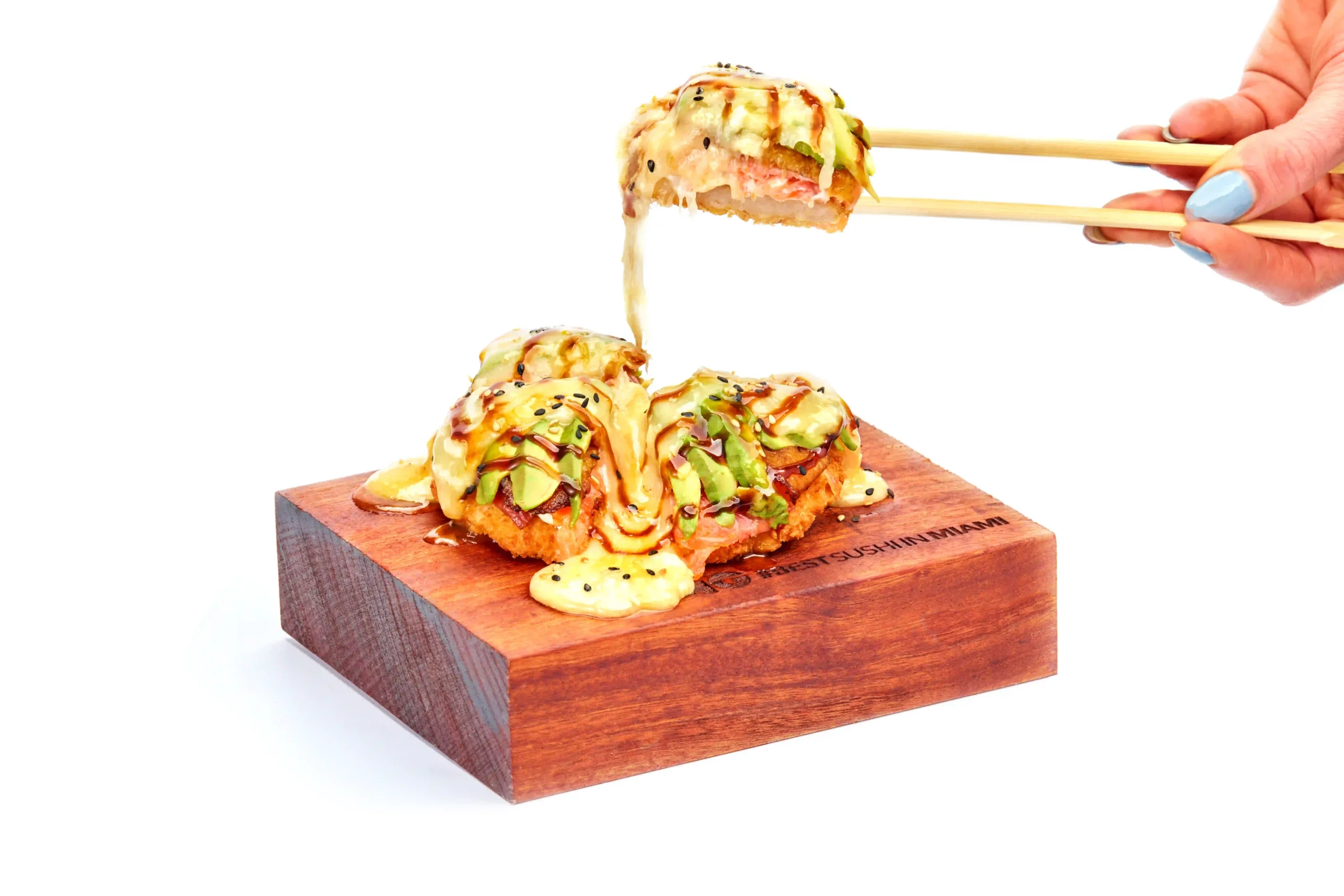
When in doubt, here’s our Default sushi order in Miami.
Ordering Customized Sushi Platters in Miami
The standard menu at Sushi KONG covers most platter needs. But custom combinations exist for a reason.
Dietary restrictions in a group are easier to handle at the platter level than at the individual order level. One conversation with the kitchen about what to include or exclude, and the whole table is covered without anyone having to manage their own separate plate.
Event platters, for a birthday dinner, a corporate lunch, a family gathering, benefit from a brief call before the order goes in. Not because the kitchen needs extensive lead time for small groups, but because knowing the headcount, the occasion, and any restrictions lets them build something calibrated rather than generic.
As covered in the group ordering guide, coordination before the meal is always the move that saves the most time during it. A two-minute conversation upfront eliminates the back-and-forth at the table when the food arrives and someone realizes the platter has something they can’t eat.
Build your perfect platter. Contact us for custom combinations and we’ll make sure it lands right.
