
Omakase sushi miami, interesting word combination, heard that before? “Omakase” sounds intimidating until someone explains what it actually means.
It means “I’ll leave it up to you.” That’s it. You sit down, you trust the chef, and dinner becomes a conversation you didn’t have to plan. No menu anxiety, no “wait what did I order,” no table negotiation about who’s getting what. Just a sequence of food built specifically for the people sitting in front of the chef that night.
Omakase sushi miami is having a moment right now, and not just because it photographs well (it does, but that’s a bonus). It’s having a moment because Miami diners are getting more serious about what they eat and how they eat it. The vibe is still there. The substance caught up.
Here’s what you’re actually signing up for.
Omakase vs. Regular Sushi: The Core Difference
Regular sushi is a menu. You read it, you choose, you order, it arrives.
There’s nothing wrong with that. The Havana 305 (smoked salmon, sweet plantain, avocado, seaweed salad) is going to be exactly what it says it is every time. That’s a feature, not a flaw. Consistency is its own form of excellence.
Omakase experience operates on a different logic entirely.
You’re not choosing from what exists. You’re receiving what the chef decides is best for that specific evening, based on what came in fresh, what’s at peak texture, and what sequence makes sense for how flavor builds across a meal. It’s the difference between a playlist you made and a DJ who reads the room.
The curated meal format also removes a pressure most people don’t realize they’re carrying: the anxiety of ordering wrong. At a counter, mid-sushi omakase, there is no wrong. The chef already decided. Your only job is to pay attention and eat.
That sounds simple. It’s actually kind of liberating. Sushi Catering in Coral Gables: Premium Service Standards
What a Real Sequence Looks Like
A proper sushi progression is not just “a bunch of pieces in a row.” It has architecture.
It starts light. Something clean and delicate, usually raw, usually simple. Think pristine hamachi, a single clean cut of tuna. The goal is to orient your palate before anything more complex arrives. No sauces competing, no bold flavors muscling in yet. Just fish and rice doing exactly what they’re supposed to do.
Then it builds.
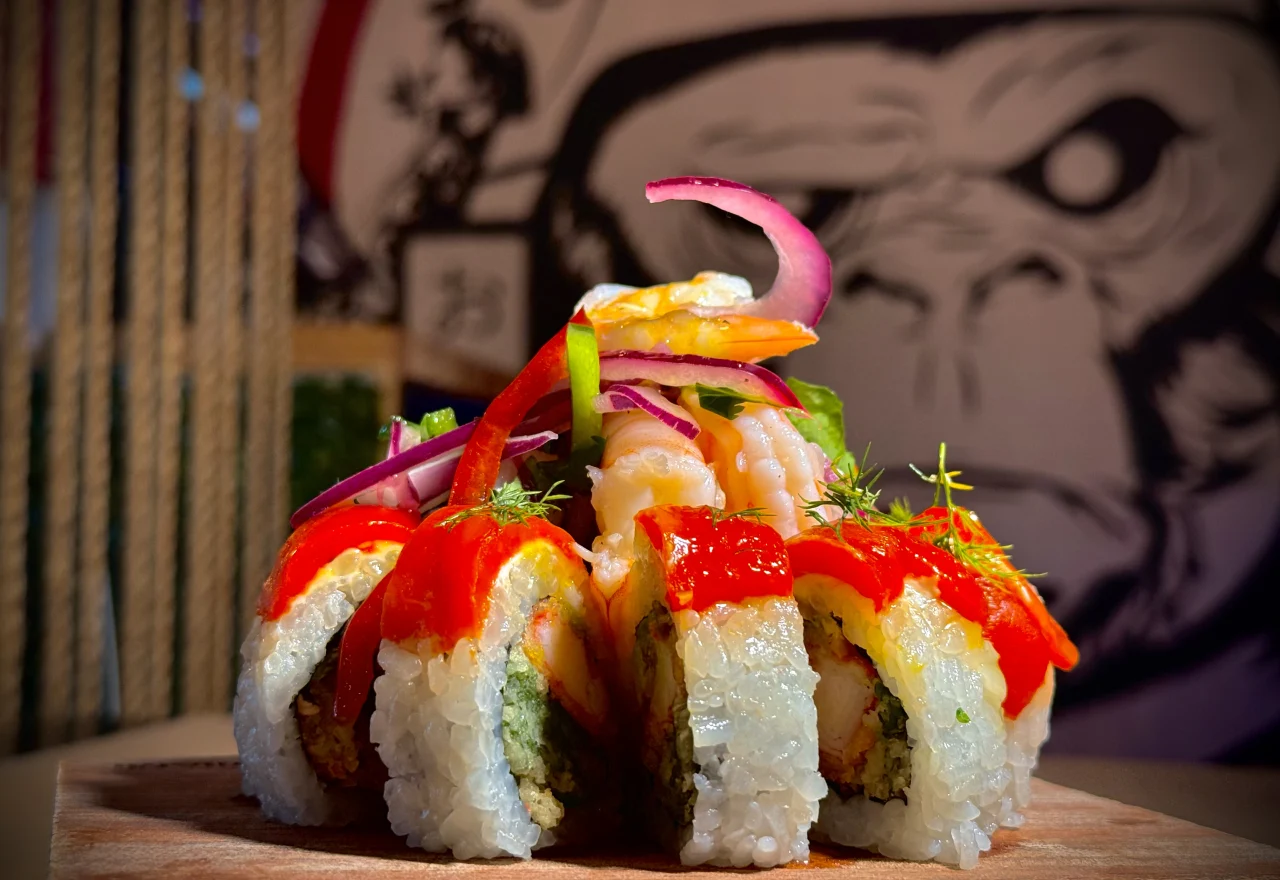
The middle of a tasting menu sequence is where the chef makes decisions. Richer fish. More complex preparations. A piece where the sauce is actually part of the story, not a cover for something underneath. This is where something like the Miami Lover earns its place: tuna, kakiage, avocado, cream cheese, tamarindo glaze, coconut flakes, ponzu. Every element is there for a reason. At this point in the sequence, your palate is ready for all of it.
The peak of the sequence usually involves the most premium ingredient of the night. Whatever arrived freshest, whatever the chef is most confident in. You’ll know it when it lands because the table goes quiet. Not awkward quiet. The other kind.
Then it winds down. Lighter again, or something cooked, something warm. The palate needs to decelerate the same way it ramped up. A piece of eel. Something from the wok. A small, deliberate closer.
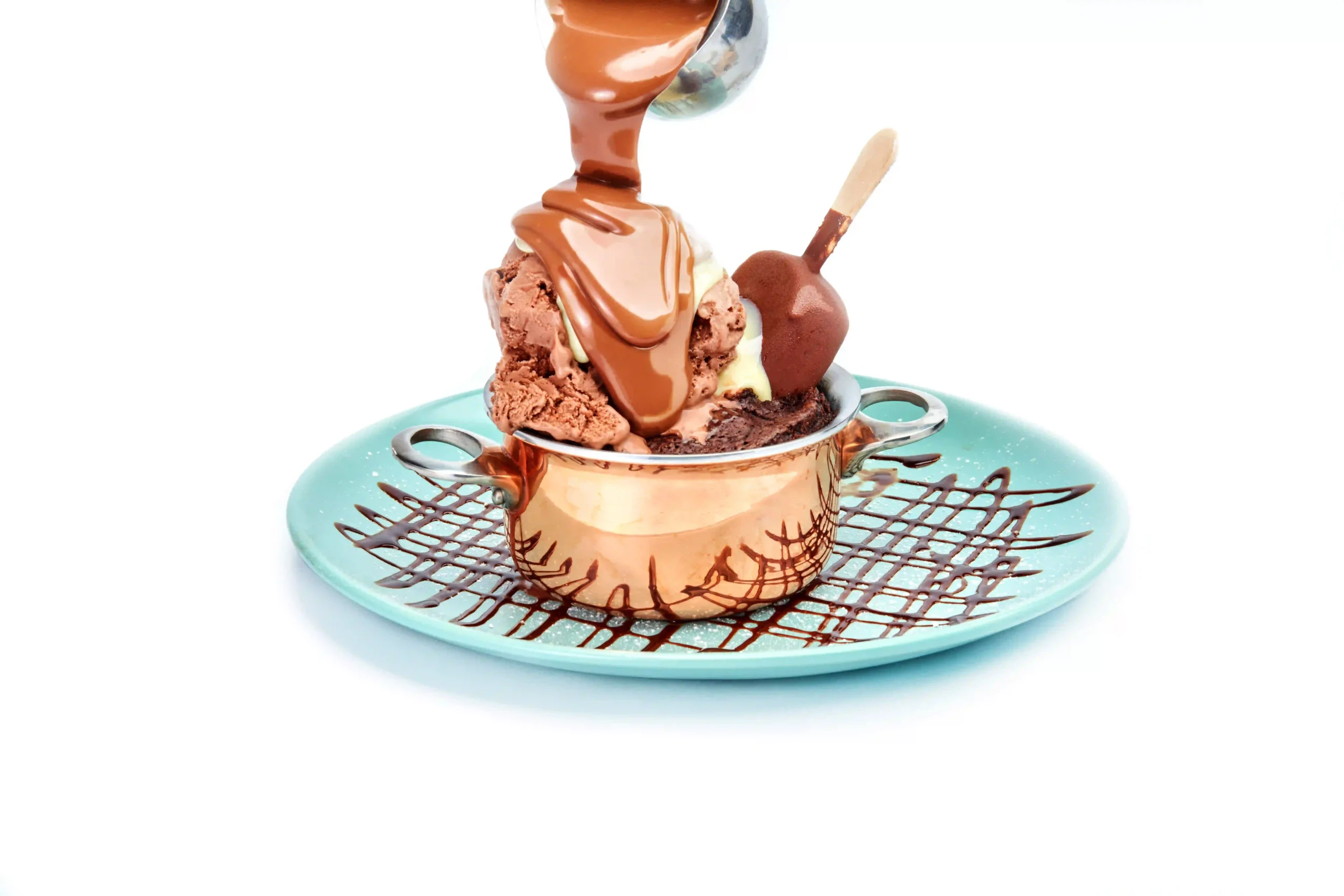
Then dessert, which in a Sushi KONG context means the Chocolate Kamikaze (chocolate ice cream bar wrapped in warm fondant, homemade Nutella on top) or the Ponquecito Rico (tres leches, dulce de leche, cookies and cream ice cream, fresh strawberries). Both are endings that make the whole sequence feel complete. Como dice mi abuela: sin postre no hubo cena.
The full arc takes about 90 minutes to two hours. Not because it’s slow. Because it’s paced. There’s a difference.
The Chef’s Role (Beyond Just Making Food)
This is the part that surprises people who haven’t done it before.
The chef in an omakase setting isn’t just cooking. They’re directing. They’re watching how you react to each piece, adjusting the next one accordingly, having a conversation through food that runs parallel to whatever you’re talking about with your tablemate.
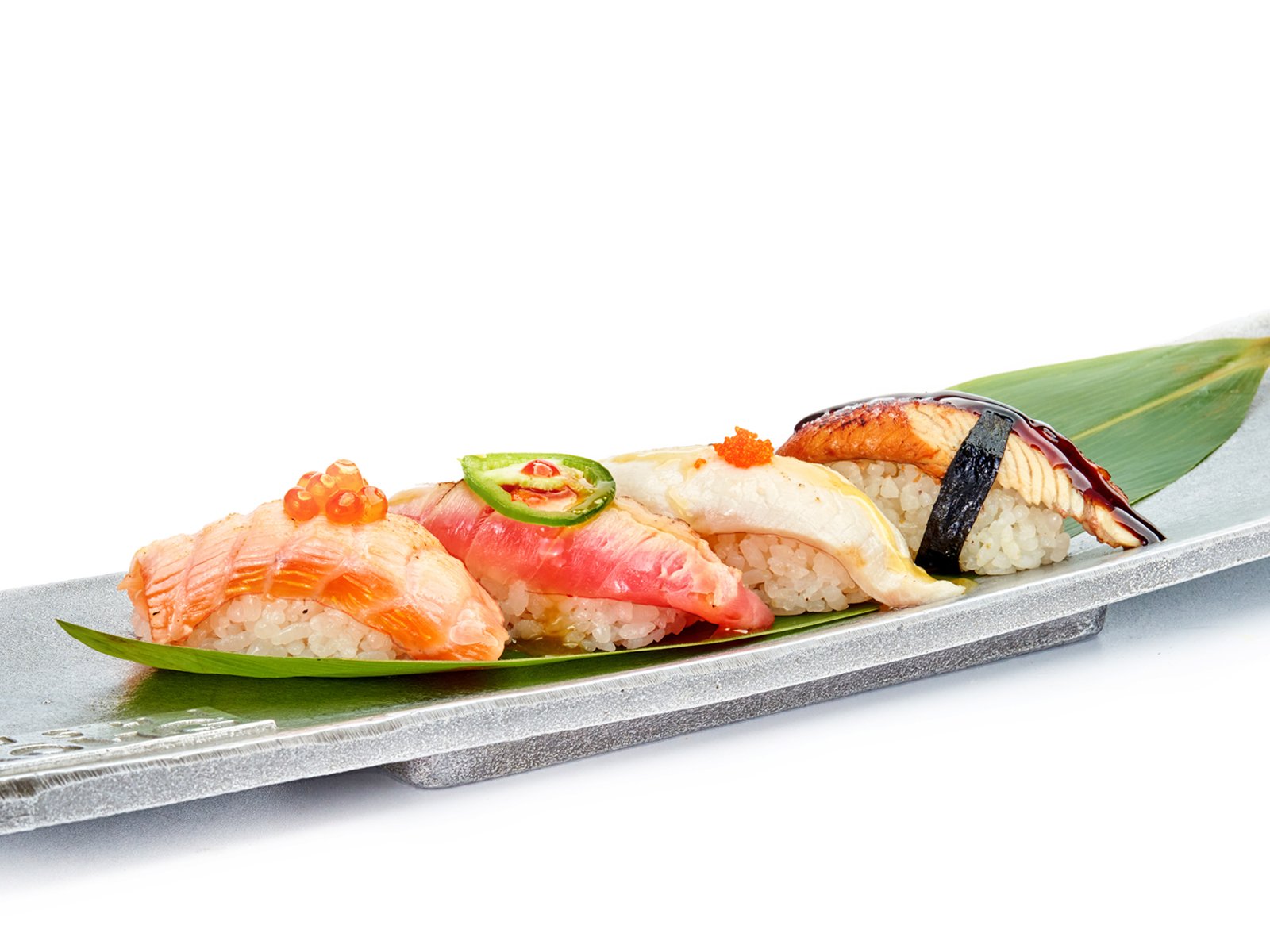
Chef interaction at this level is information-dense if you let it be. When the chef explains that the tuna tonight is from a different region than usual, or that the hamachi is running particularly fatty this week, that’s not trivia. That’s context that changes how you taste what’s in front of you.
Pay attention to the hands. Live preparation at a sushi counter is its own kind of theater, but without the performance anxiety. There’s a focus to it. A chef mid-roll isn’t putting on a show. They’re just working at a level where watching them is genuinely interesting. The knife work, the rice handling, the way a piece gets constructed and placed. You can learn things just by watching without asking a single question.
The best chef’s selection evenings have a quality of collaboration to them, even when the guest isn’t technically choosing anything. You brought your appetite and your attention. The chef brought everything else. That’s the deal, and it’s a good one.
Price Point: What You’re Actually Paying For
Let’s be honest about this because people dance around it.
Fine dining sushi at the omakase level costs more than ordering off a menu. That’s real. But the comparison isn’t “same fish, fancier setting.” The comparison is different entirely.
You’re paying for sourcing decisions made before you walked in the door. The chef who chose the fish that morning, who maintained relationships with vendors who understand quality at a granular level. You’re paying for timing: the fact that what’s on your plate tonight is at peak condition tonight, not yesterday, not tomorrow.
You’re paying for sequence. Someone thought about the order in which you eat things, which sounds minor until you realize how much it changes the experience. A fatty piece early in the meal hits your palate differently than the same piece in the middle of a progression. Sequence is craft.
And you’re paying for the kind of attention that doesn’t scale. A chef working a premium experience counter is focused on a small number of people for the entire service. That focus has a value that’s hard to quantify and easy to feel. Premium Sushi in Miami: Where Your Money Actually Goes
None of this means omakase has to cost a mortgage payment. The range in Miami is wide. What matters is that the price reflects actual quality decisions, not just ambient lighting and a Japanese word on the menu.
At Sushi KONG, the full menu gives you a clear sense of the ingredient level and the approach before you commit to anything. Do your research. Then decide. No pressure, no drama. Tú decides.
Is Omakase Sushi Miami Right for You?
Real talk: not every dinner calls for omakase. And not every diner is in the right headspace for it.
Omakase works best when you have time. Not a lot of time, but quality time. If you’re eating between meetings, or trying to catch a show afterward, or splitting your attention between the plate and your phone, you’ll get through the meal but you won’t really experience it. That would be a waste of good fish and a good chef.
It works best when you’re genuinely curious. You don’t need to know anything about sushi going in. Zero knowledge required. But you do need to be interested in what’s in front of you. Ask questions. React to things. The more present you are, the better the meal gets.
It also works best when dietary restrictions are communicated upfront. The chef is building a sequence for you specifically. Telling them you don’t eat shellfish after they’ve already planned the progression is like editing a playlist mid-set. Not catastrophic, but not ideal. Tell them before you sit down and they’ll build something that works for you completely.
Groups at the omakase counter can work, but the sweet spot is two to four people. Large groups fragment attention, for the chef and for you. The counter experience is intimate by design. Respect the format and it rewards you.
If any of that sounds like your kind of evening, you already have your answer.
Miami has the restaurants. It has the chefs. It has the fish coming in fresh from routes most cities don’t have access to. The omakase miami experience here isn’t a lesser version of what you’d find somewhere else. It’s its own thing. Latin-Japanese, Miami-coded, built for a city that takes pleasure seriously.
Experience omakase done right. Reserve your counter seat and come see what the sequence actually feels like. The chef’s ready when you are.
